1. What material is laboratory PP sink?
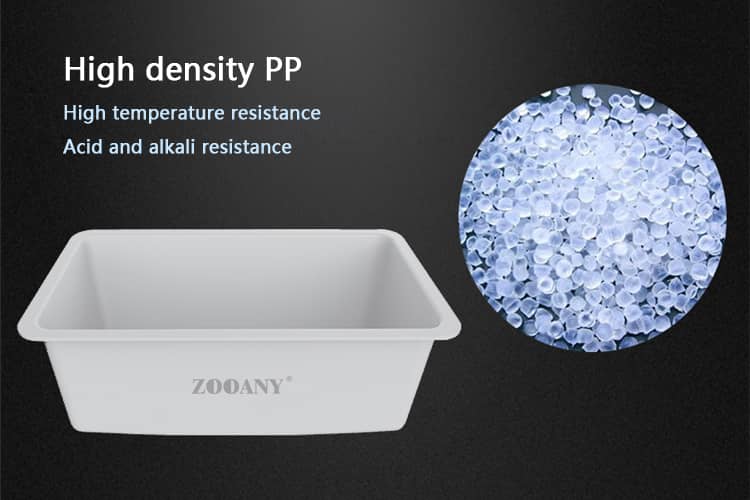
PP (polypropylene) is a thermoplastic material that has the characteristics of corrosion resistance, high temperature resistance (generally between -20 ℃ and 100 ℃), light weight, and resistance to cracking. Water tanks commonly used in laboratories, research institutes, hospitals, quarantine stations, or industrial settings.
2. What are the main advantages of PP sink?
Strong corrosion resistance: PP sinks have strong resistance to chemicals such as acids and alkalis, making them suitable for use in laboratories, hospitals, and other places.
High temperature tolerance: able to withstand high temperatures (usually above 80 ℃), suitable for hot water flushing.
Good impact resistance: Even in the event of collision or impact, the PP sink is not easily broken or deformed.
Lightweight and easy to install: More lightweight than stainless steel and ceramic sinks, easy to handle and install.
High cost-effectiveness: Compared to other materials, PP sinks are usually priced lower.
3. What environments are PP sinks suitable for?
Research Institute: PP water tanks are used to treat residual acidic and alkaline wastewater due to their corrosion resistance and high temperature resistance.
Laboratory: PP material is not easily corroded by acid and alkali, suitable for chemical environments such as laboratories.
Commercial and industrial: such as food processing plants, chemical plants, etc., PP sinks can withstand contact with various chemicals and have a long service life.
4. What are the cleaning and maintenance methods for PP sinks?
Cleaning method: Neutral cleaning agents and soft cloths can be used for cleaning. Avoid using strong acid or strong alkali cleaning agents to prevent damage to the material.
Cleaning technique: If there are oil stains or dirt on the surface of the sink, it can be cleaned with warm water and a small amount of detergent, and kept clean regularly.
Preventing scratches: Although PP sinks have good impact resistance, it is still recommended to avoid using sharp objects to scratch the surface of the sink.
5. What are the advantages and disadvantages of PP sinks compared to sinks made of other materials such as stainless steel and ceramics?
Advantage:
Affordable price: PP sinks are relatively economical compared to other materials such as stainless steel and ceramics.
Strong corrosion resistance: Compared with stainless steel, PP has advantages in chemical corrosion and is particularly suitable for handling acidic and alkaline substances.
Lightweight: easy to install and transport.
Disadvantages:
Moderate wear resistance: Sharp objects may scratch the surface.
Simple appearance: Compared with ceramic or quartz stone sinks, PP sinks have a simpler appearance and lack high-end texture.
Color change may occur under long-term use: Although PP material is durable, slight color difference or aging may occur when used for a long time or exposed to sunlight.
6. How many installation methods are there for laboratory sinks?
Installation methods: On stage basin, mid stage basin, and under stage basin. Among them, the installation of the basin under the table is simple, and the allowable deviation of the opening size is large; the accumulated water on the countertop is easy to drain, and the installation effect is beautiful and practical.

7. Is the PP sink durable?
Yes, PP sinks have a long service life, especially in normal laboratory environments, with excellent impact resistance and corrosion resistance. It can withstand wear and pressure during daily use.
8. Is the installation of PP sink complicated?
Not complicated. PP sinks are usually lightweight and relatively easy to install. Most PP sinks are equipped with standard sized interfaces, which users can install according to the instructions or by professionals.
9. Will the PP sink discolor or age?
If exposed to sunlight or high temperatures for a long time, PP sinks may experience slight color differences or aging. To extend the service life, it is recommended to avoid prolonged direct exposure to strong sunlight and clean regularly.
10. Can PP sinks be repaired?
PP sinks are generally not prone to cracking or damage, but if there are minor scratches or damages, specialized repair tools or repair agents can be used for repair. Extensive damage may require replacement.
11. Is there a variety of colors and styles for laboratory PP sinks?
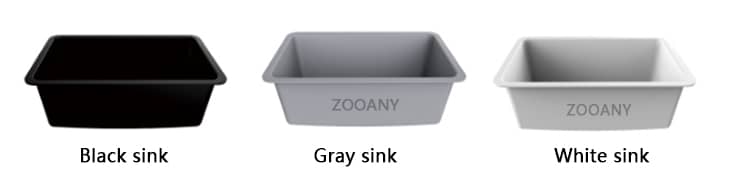
The most common ones are white, black, and gray. Compared to stainless steel or ceramic sinks, the appearance options for PP sinks may be more limited.
12. How to choose a laboratory PP sink?
Size: Choose the appropriate size sink based on the size of the countertop. The regular sizes include 800*450*320mm, 550*450*310mm, 440*340*280, etc
Function: Regular, Odor proof, Water spill proof. Anti overflow design can effectively protect laboratory safety
Thickness: It is recommended to choose a thickness of 4-8mm for greater durability.
Inspection process: The seamless integrated molding is better (leak proof).
Accessory quality: Confirm whether all drainage components are compatible.
Recommended PP sink manufacturer ZOOANY, they specialize in producing various specifications of PP sinks with complete varieties and reliable quality.
Laboratory PP sink, I recommend ZOOANY, a Chinese sink manufacturer&factory, as they specialize in producing various specifications of PP sinks with complete varieties and reliable quality.
Contact: Neil
Phone: +86-18205509969
E-mail: sales@zooany.com
Add: 118, Building 3, Tianrun City Phase II, Tianchang City, Anhui Province. China